Looking Back at the 56th Global Fund BoardMeeting: African Priorities for the Road Ahead
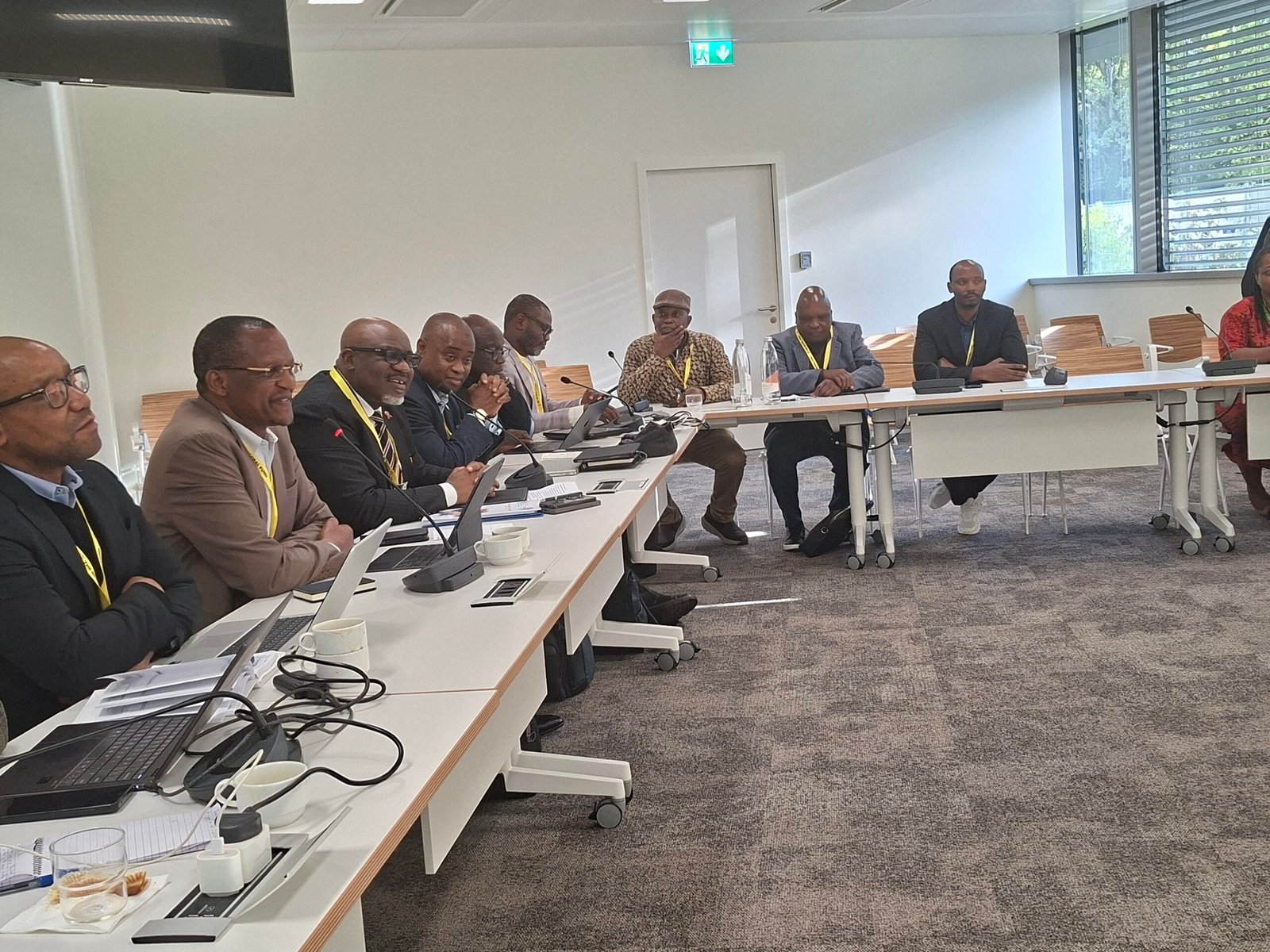
African representatives called for funding, policies and leadership that respond to national needs, protect essential services and strengthen health systems.
How can countries sustain progress against HIV, tuberculosis and malaria when funding is under pressure? For African representatives at the Global Fund’s 56th Board Meeting, held in Geneva on 28–30 October 2026, this question shaped discussions on the efficiency of the new leadership, additional malaria financing and the organisation’s future direction.
The Global Fund finances programmes to fight the three diseases and strengthen health systems. Its Board brings together representatives of governments, communities, civil society, donors and other partners to decide its policies and priorities. Eastern and Southern Africa (ESA) and West and Central Africa (WCA) are the two constituencies through which countries in these regions participate in Board decision-making.
The African Constituency Bureau (ACB) supports these constituencies by analysing policy proposals, gathering country experience and helping representatives develop shared positions. At this meeting, their message was clear: countries and communities must help shape the decisions that affect their health services.
Confidence in new leadership
ESA and WCA welcomed the appointment of Dr Mark Dybul as the Global Fund’s next Executive Director, with his four-year term beginning in early 2027. The two constituencies had agreed to support his candidacy following a joint consultation on 26 October.
They are confident that his experience, understanding of the Global Fund and ability to mobilise political and financial support will help advance their shared priorities and serve the interests of the countries and communities they represent. They look forward to working with him to strengthen national leadership, protect essential services and ensure that African perspectives inform the Global Fund’s decisions.
The constituencies also welcomed Erna Solberg as Board Chair and Javier Hourcade Bellocq as Vice-Chair. They acknowledged the contributions of outgoing Board leaders Lady Roslyn Morauta and Bience Gawanas, and Executive Director Peter Sands.
More malaria funding, shaped by country needs
The Board approved the Malaria Impact Accelerator, a new initiative to attract additional private funding for malaria prevention and treatment. It is conditional on the Global Fund receiving new private philanthropic commitments exceeding US$1 billion by 31 March 2027.
For ESA and WCA, the initiative is particularly important given Africa’s disproportionate malaria burden. Additional funding must support national malaria plans, involve communities and build on African expertise and existing health services. Decisions must reflect local conditions, including the challenges of reaching people in remote or conflict-affected areas. The Board requested further details on how the initiative will operate before countries are notified of their allocations.
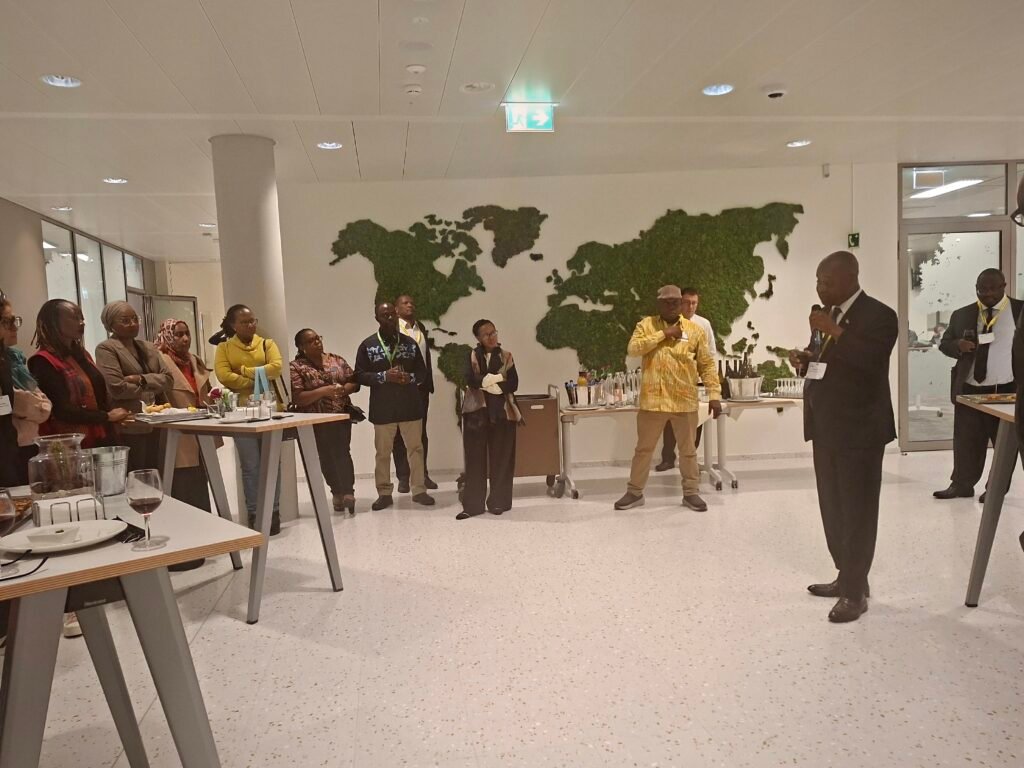
ACB and the constituencies will continue discussions with the Global Fund and GiveWell, the philanthropic partner involved in the proposed financing. Their aim is to help ensure that resources reach people at risk of malaria and strengthen services without creating unnecessary administrative work.
Protecting services as financing changes
The meeting also reviewed preparations for the Global Fund’s next funding period, covering 2027–2029 (GC8). African representatives stressed that making limited resources go further must preserve access to prevention, diagnosis and treatment. Combining disease services within primary health care should make patient care easier to access and maintain its quality.
As countries take on more responsibility for financing and managing programmes, the pace must reflect their resources and readiness. National budgets, health workers, supply chains and community organisations all need adequate support to sustain services when external funding declines.
Discussions with the Global Fund’s team responsible for communities, human rights and gender highlighted concerns about funding for community organisations. Priorities included reaching children living with HIV, preventing HIV transmission from mothers to their children and sustaining services for people who face barriers to care.
The Board also approved changes to how the Global Fund measures progress. Tracking whether its financing is reflected in national health budgets provides an opportunity to improve government oversight and align external support with national priorities. African representatives emphasised that simpler reporting should still show whether services are reaching those who need them.
From Board Decisions to Country Impact: ACB’s Continuing Role
ACB helped ESA and WCA coordinate their positions and exchange views with other Board constituencies and Global Fund teams. These discussions connected decisions in Geneva with practical concerns raised by countries, including overlapping reporting requirements, implementation challenges and the financing of community services.
Through its intra-African learning platforms, ACB enables countries to share approaches that have worked and identify common challenges requiring policy attention. Follow-up discussions will explore learning on community services and support for countries seeking to build the capacity to manage grants currently administered through third parties under additional financial safeguards.
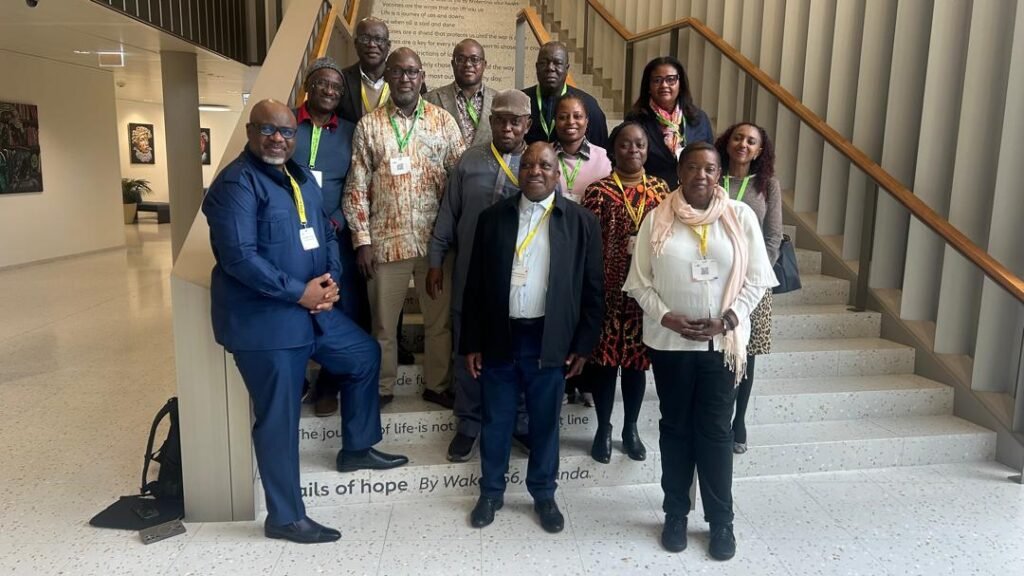
Looking further ahead, the Global Fund is beginning to develop the strategy that will guide its work after its current strategy ends in 2028. This process will shape its future role, priorities and partnerships. ACB will support ESA and WCA to bring country evidence and shared African priorities into these discussions, including stronger national systems, sustainable financing and better coordination among international health partners.
For the African constituencies, the work continues beyond the Board meeting: maintaining a coordinated voice, engaging the new leadership and following through on decisions so that they deliver better health outcomes for our people.